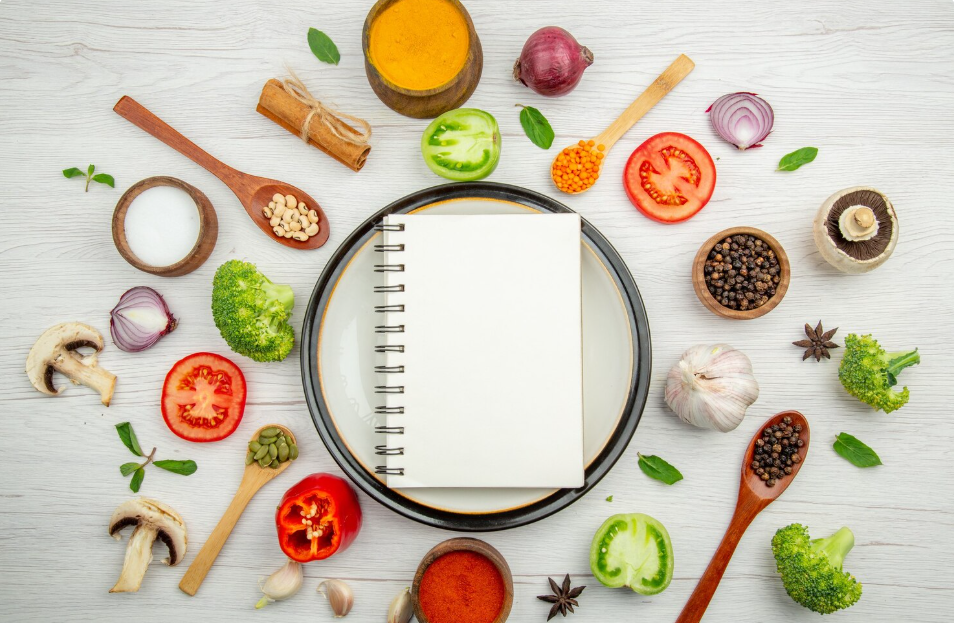
Introduction to Cooking Tips
Cooking Tips are practical pieces of advice designed to help home cooks and professionals create flavorful meals efficiently and consistently. They focus on enhancing taste, saving time, and improving technique in the kitchen. Following cooking tips allows anyone to elevate their meals, reduce mistakes, and enjoy a smoother, more organized cooking experience. With the right strategies, even complex dishes become manageable, and everyday cooking turns into a more enjoyable and rewarding activity.
Importance of Proper Preparation
One of the most effective Cooking Tips is to prepare ingredients before starting. Washing, chopping, and measuring ingredients ahead of time prevents mistakes and ensures smooth workflow. Proper preparation saves time, helps maintain consistent cooking times, and allows you to focus on the actual cooking process without interruptions. Mise en place, the practice of organizing all ingredients before cooking, is a simple habit that dramatically improves results.
Mastering Knife Skills
Knife skills are essential for efficiency and presentation. Learning how to chop, dice, slice, and mince properly saves time and improves safety. Uniform cuts ensure even cooking, better texture, and an appealing presentation. Practicing basic knife techniques also makes handling ingredients less intimidating and allows you to work faster without compromising quality.
Using Fresh Ingredients
Fresh ingredients are the foundation of flavorful dishes. Using seasonal vegetables, fresh herbs, quality proteins, and ripe fruits enhances taste naturally. Fresh herbs, citrus, and spices bring aroma and depth to meals without relying on heavy sauces or artificial flavors. Selecting the best ingredients ensures that even simple recipes taste exceptional.
Understanding Heat Control
Proper heat management is crucial in cooking. Using high heat is suitable for searing and stir frying, while medium or low heat works for simmering sauces or slow cooking proteins. Adjusting temperature at the right time prevents burning, undercooking, or overcooking. Understanding how different heat levels affect texture and flavor allows for better control and consistent results.
Layering Flavors
Flavor layering is an important Cooking Tip. Adding ingredients in stages, seasoning throughout the cooking process, and balancing sweet, salty, sour, and umami elements creates depth. Tasting as you cook ensures the dish achieves the desired balance. Simple touches like toasting spices, deglazing pans, or adding fresh herbs at the end can transform a basic meal into something extraordinary.
Time Saving Techniques
Efficiency in the kitchen saves effort without compromising quality. Multitasking, batch cooking, and pre chopping ingredients are excellent strategies. Using kitchen tools such as food processors, slow cookers, or pressure cookers speeds up preparation. Planning meals in advance reduces last minute stress and ensures that cooking remains enjoyable rather than rushed.
Cleaning and Organization
Maintaining a clean and organized kitchen improves efficiency. Clean as you go to prevent clutter and cross contamination. Store ingredients in designated areas, label containers, and keep countertops clear for workspace. Organization reduces cooking errors, saves time, and makes the kitchen a more inviting environment for creating meals.
Cooking Techniques to Know
Different methods produce unique flavors and textures. Steaming preserves nutrients in vegetables, roasting enhances caramelization, and sautéing creates crispy textures. Learning basic techniques like boiling, poaching, grilling, and braising ensures versatility in the kitchen. Experimenting with techniques helps develop confidence and skill in cooking.
Enhancing Meals with Simple Additions
Small enhancements can elevate dishes. Adding citrus zest, fresh herbs, flavored oils, or a pinch of salt at the right stage of cooking boosts flavor. Using condiments strategically, finishing sauces properly, or incorporating fresh toppings adds complexity. These simple techniques often have the most significant impact on taste.
Meal Planning and Ingredient Pairing
Planning meals improves both flavor and efficiency. Pair complementary ingredients, balance textures, and select colors that appeal visually. Understanding which flavors complement each other ensures cohesive dishes. Planning ahead also allows for better grocery shopping, reduces waste, and saves time while cooking.
Adapting Recipes to Personal Preference
Recipes are guides rather than rules. Adjusting spices, herbs, seasoning, or cooking times allows dishes to suit personal tastes. Experimentation encourages creativity and builds confidence in the kitchen. Customizing meals enhances enjoyment and ensures that cooking reflects individual preferences and dietary needs.
Common Mistakes to Avoid
Common errors include over seasoning, overcrowding pans, using improper heat, or neglecting prep work. Avoiding these mistakes improves consistency and reduces frustration. Paying attention to timing, texture, and seasoning ensures successful results every time.
Cooking for Efficiency
Efficiency combines organization, proper tools, and technique. Keep frequently used utensils accessible, measure ingredients before cooking, and maintain consistent processes. Efficient cooking allows more time for creativity, presentation, and enjoying the meal.
Conclusion
Cooking Tips are essential for creating flavorful, efficient, and consistent meals. By focusing on preparation, heat control, ingredient quality, and organization, anyone can improve their cooking skills. Implementing these tips saves time, reduces mistakes, and enhances the overall experience in the kitchen. With practice, these strategies lead to better tasting meals, increased confidence, and a more enjoyable cooking journey.