Introduction to Meal Prep
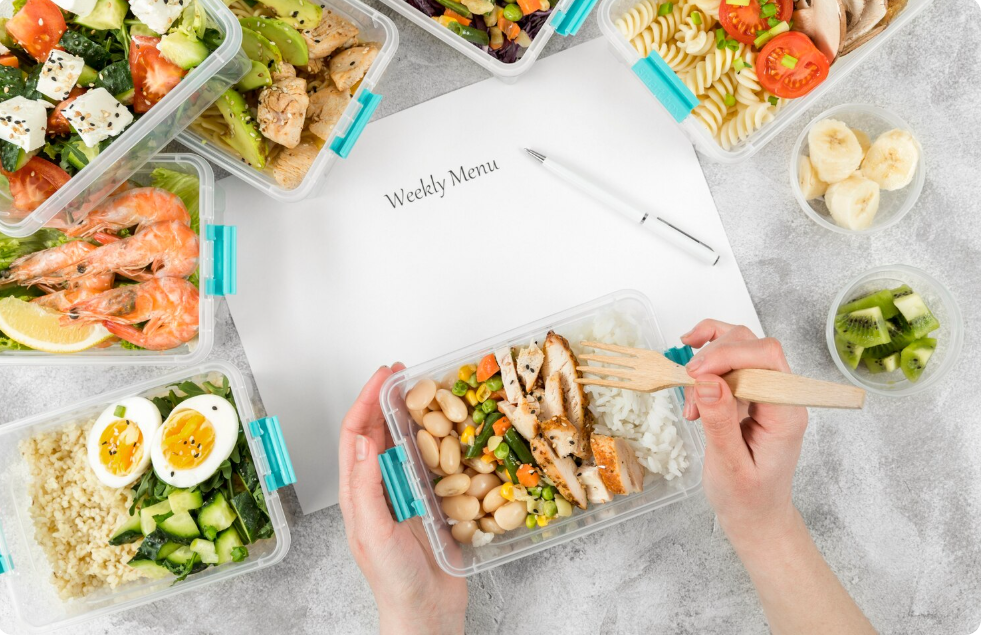
Meal Prep is the practice of preparing meals in advance to save time, reduce stress, and maintain consistent nutrition. It allows individuals to plan balanced meals, control portion sizes, and make healthier food choices throughout the week. By dedicating a few hours to prepping ingredients or complete meals, daily cooking becomes easier, less stressful, and more organized. Meal Prep is especially useful for busy lifestyles, fitness goals, or anyone looking to maintain a structured and sustainable diet.
Benefits of Meal Prep
Meal Prep helps save time by reducing daily cooking tasks and minimizing last minute decisions about food. It ensures that meals are nutritious, balanced, and portion controlled. Prepping in advance reduces reliance on fast food or unhealthy snacks, lowers food waste, and makes grocery shopping more efficient. It also encourages consistency in diet, improves energy levels, and supports weight management or fitness goals.
Planning Your Meals
The first step in effective Meal Prep is planning. Create a weekly menu with a mix of proteins, vegetables, grains, and healthy fats. Choose recipes that are easy to prepare, store well, and maintain flavor throughout the week. Planning also helps with grocery shopping, ensuring that you purchase only what is needed and avoid unnecessary waste. Scheduling prep sessions on weekends or free days makes the process manageable.
Choosing Recipes and Ingredients
Select recipes that are versatile and use ingredients that can be repurposed in multiple dishes. Focus on fresh, seasonal produce and nutrient dense foods like lean proteins, whole grains, and colorful vegetables. Prepare staple components like rice, quinoa, roasted vegetables, or grilled chicken in batches so they can be used in different meals throughout the week.
Batch Cooking Techniques
Batch cooking is a key Meal Prep strategy. Cooking large portions of proteins, grains, and vegetables saves time and ensures meals are ready to assemble. Methods like roasting, steaming, or slow cooking multiple ingredients at once maximize efficiency. Using multiple pans or appliances simultaneously reduces overall prep time.
Portioning and Storage
Proper storage is crucial for Meal Prep success. Divide meals into airtight containers for individual portions, making it easy to grab and go. Use clear containers for visibility and label them with dates to track freshness. Store leafy greens separately from other ingredients to maintain texture, and consider freezing meals that will not be eaten within a few days.
Maintaining Variety
To prevent meal fatigue, rotate ingredients, flavors, and sauces. Different proteins, grains, and vegetables keep meals interesting. Using spices, herbs, and condiments in different ways can dramatically change the taste of similar ingredients. Seasonal produce adds freshness and nutrition, while variety ensures that Meal Prep remains sustainable and enjoyable.
Time Saving Tips
Efficiency is a major benefit of Meal Prep. Chop vegetables in advance, pre measure ingredients, and use kitchen appliances like food processors, slow cookers, or rice cookers to save time. Preparing sauces, dressings, or snacks in batches reduces daily workload and makes meal assembly faster.
Freezing and Preserving Meals
Some meals freeze well and can be prepared ahead of time for future use. Soups, stews, cooked grains, and proteins maintain flavor and texture when frozen. Use freezer safe containers and label them with contents and dates. Freezing provides flexibility for busy days while keeping healthy meals available.
Meal Prep for Different Goals
Meal Prep can be customized for fitness, weight management, or family needs. Athletes may focus on protein rich meals, while families may prioritize balanced dishes that appeal to children. Adjust portion sizes, nutrient ratios, and ingredients based on personal or household goals for maximum effectiveness.
Overcoming Common Challenges
Challenges like limited space, time constraints, or repetitive meals can be overcome by simplifying recipes, using versatile ingredients, and staying organized. Rotating menus and using multi purpose ingredients prevents boredom. Planning ahead and dedicating a specific day for Meal Prep ensures consistency and efficiency.
Social and Family Meal Prep
Meal Prep is beneficial for households and families. Preparing meals together encourages teamwork and healthy habits. Dividing tasks such as chopping, cooking, and storing ingredients makes the process faster. Everyone benefits from ready to eat meals that are nutritious and portion controlled.
Conclusion
Meal Prep saves time, reduces stress, and improves nutrition for individuals and families. By planning, cooking in batches, and organizing meals properly, anyone can enjoy balanced, convenient, and flavorful meals throughout the week. Incorporating variety, proper storage, and efficiency ensures that Meal Prep is sustainable, enjoyable, and supports long term health and wellness. Following these Meal Prep tips makes healthy eating accessible, practical, and stress free.